Choosing the Right Graphic Design Agency in Zambia for Your Business


Voxforem Technology
Voxforem Technology is a fast-growing global IT services company with a strong presence in Zambia, the USA, the UK, and India. We specialize in web development, mobile app development, custom software solutions, and digital marketing services helping businesses of all sizes embrace digital transformation.
Let’s Together!Contact Info
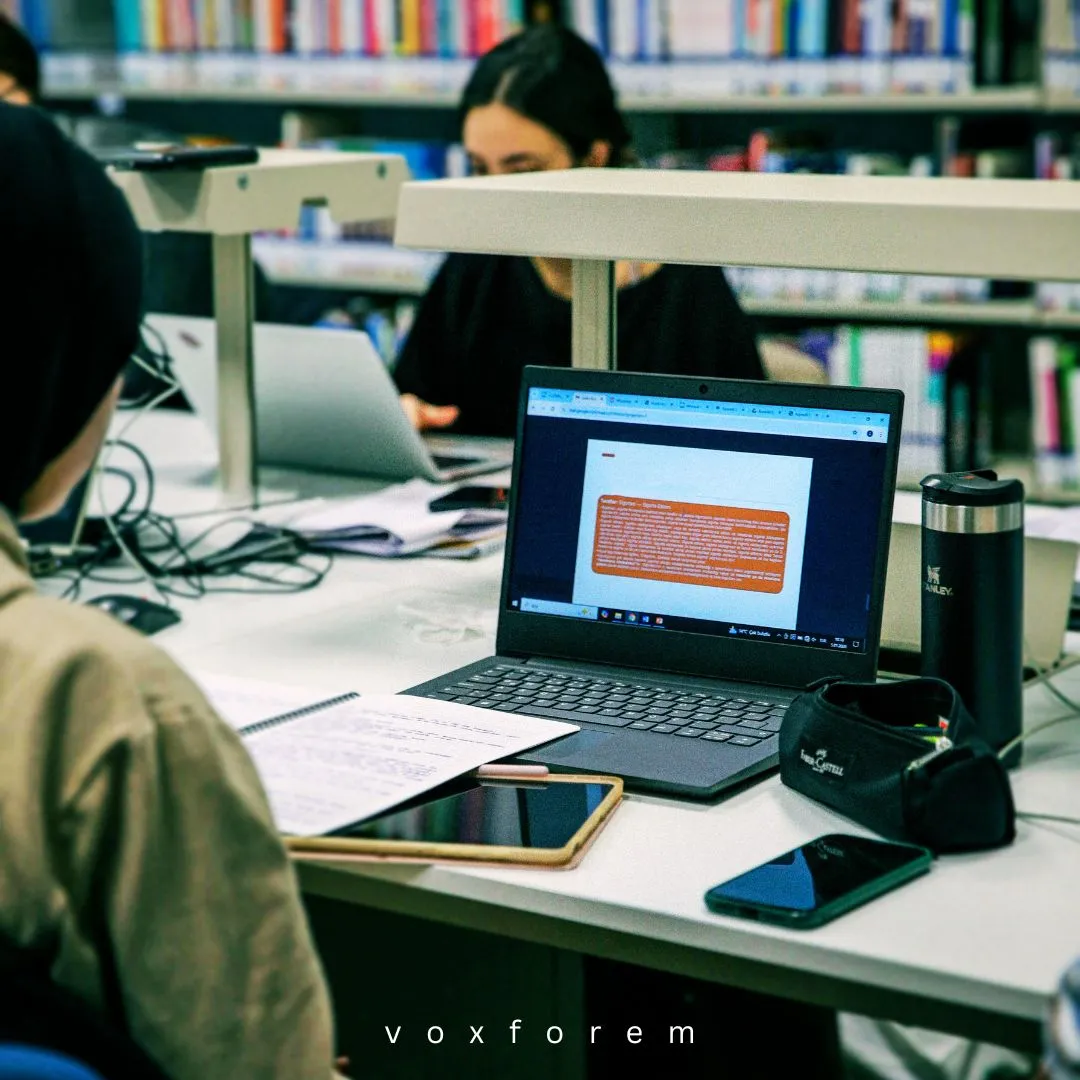
Schools across Zambia are increasingly adopting digital solutions to improve learning and administrative efficiency. While classrooms and school administration have embraced technology, many libraries still rely on manual processes that can be time-consuming and difficult to manage.
An Automated Library Management System helps schools organize books, track borrowing activities, manage records accurately, and improve access to educational resources. By digitizing library operations, schools can create a more efficient learning environment for students, teachers, and librarians.
An Automated Library Management System is software designed to manage all library activities through a centralized digital platform. Instead of relying on manual registers and paperwork, schools can manage books, student records, borrowing transactions, inventory, and reports electronically.
Key functions typically include:
By automating these processes, schools can significantly improve efficiency while reducing administrative burdens.
Many schools face common library management challenges, including:
As educational institutions continue to grow, these challenges become increasingly difficult to manage using traditional methods.
A Library Management System helps schools overcome these obstacles while supporting better educational outcomes.
Faster Access to Learning Resources
Students benefit significantly when library resources are organized within a digital system. Benefits include:
Students can locate required books quickly, allowing them to focus more on learning and less on searching for materials.
1. Improved Learning Experience
A well-organized library plays a critical role in supporting academic success. Automated systems help students:
Easy access to information encourages a culture of continuous learning.
2. Real-Time Book Availability
Students can instantly determine whether a book is
This transparency improves planning and ensures better utilization of library resources.
3. Better Accountability
Automated systems maintain accurate records of all borrowing activities. Advantages include:
Students become more accountable for library resources while benefiting from transparent tracking systems.
1. Easier Access to Teaching Resources
Teachers frequently rely on library materials for lesson planning, curriculum support, and research. Library automation enables teachers to:
This improves instructional effectiveness and classroom engagement.
2. Enhanced Research Support
Teachers can efficiently access educational references and academic resources. Benefits include:
Digital systems simplify resource discovery and save valuable time.
3. Better Collaboration with Librarians
Library software provides improved visibility into available resources.
Teachers can
This collaboration strengthens the overall educational environment
1. Reduced Administrative Workload
Manual record keeping can consume a significant amount of time. Automation simplifies:
This allows librarians to focus more on supporting students and teachers.
2. Improved Accuracy
Manual systems are often prone to errors.
Automated solutions provide
Accurate information improves overall library operations.
3. Efficient Inventory Management
Managing hundreds or thousands of books manually can be challenging. Automated inventory tracking helps librarians:
This leads to better resource management and accountability.
1. Better Decision-Making Through Reports
Modern Library Management Systems generate valuable reports and insights. Administrators can monitor:
Data-driven decisions help schools maximize the value of their library investments.
2. Increased Operational Efficiency
Automation reduces administrative bottlenecks and streamlines workflows.
Benefits include
Schools can achieve greater efficiency with fewer manual processes.
3. Enhanced Data Security
Traditional paper records can be lost, damaged, or misplaced.
Digital systems provide
This ensures important library data remains protected and accessible.
Schools looking for a Library Management System in Zambia should consider solutions that offer:
Core Features
Advanced Features
These features help schools create efficient and scalable library operations.
Library automation is an important component of broader educational digitalization efforts.
Modern schools increasingly adopt technologies such as:
Integrating a Library Management System with these technologies creates a seamless educational ecosystem that supports student success.
As schools continue to embrace digital transformation, automated library systems are becoming an essential part of modern education. They help improve efficiency, simplify administration, and provide better access to learning resources.
With solutions like Edumium by Voxforem, schools in Lusaka, Ndola, Kitwe, Livingstone, Kabwe, Chingola, and across Zambia can modernize library operations and create smarter, more organized learning environments for students and teachers.